Michael Glenister on hair-raising moments, suitably lined stomachs, and painting with light
A business consultant, serial entrepreneur, podcaster and author writes about living surrounded by wolves, jackals, and wild boar, finding beauty in simplicity, being a celebrity photographer, and a deep love for wood.
1 Which childhood experiences or insights most influenced the work you do today?
My upbringing shaped both the consulting and creative sides of my work. My father was a tremendous influence. He believed in asking questions, worked hard, and understood the value of building an asset base - lessons he brought from growing up during the Great Depression.
Some of my fondest childhood memories involve asking him about engineering and how things worked. He always took time to explain in detail: how power lines carried electricity, how car engines functioned, how finances should work. This was deliberate, intentional education.
When I was in my early twenties and starting my career, he gave me Peter Drucker's “The Effective Executive” and said, "You will manage people one day. You need to read this book." That shaped the analytical and leadership side of my consulting work.
Beyond his intellect, my father embodied strong moral standards. I never caught him in a lie. Those values are something we aspire to live up to in our own business.
On the creative side, my mother's family were all craftspeople and artists. My uncle did restoration work for the castle museum in Cape Town and has pieces in museums around the world. My sister worked as a commercial artist. That creative lineage has always been part of me.
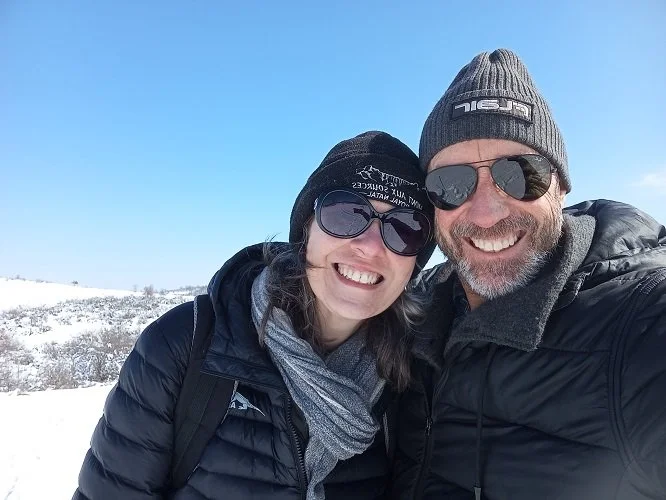
I've been fortunate to blend both sides - analytical and artistic - throughout my career. Danieta and I use these influences in how we live and run our business. What we do doesn't feel like work in the traditional sense because we love it. Instead, we have a constant stream of activities all geared toward adding value in different ways.
2 How would you describe your philosophy of life?
Value for value, measure for measure. That phrase comes from Ayn Rand's “Atlas Shrugged.” While you don't need to agree with her entire philosophy, I believe strongly that whenever value is transferred, the receiving party has a responsibility to impart or store an equivalent amount of value - whether immediately or through payment at a later date.
This might sound reductive, as if it reduces life to transactions. In a way, it does. But what it ensures is balance. Consider a farmer: if he plows land, works it, and never puts back what the soil needs, eventually the soil becomes depleted. This is exactly what's happening with modern mass agriculture—the ground has been stripped of value because more has been taken out over the years than has been put back.
The same principle applies to relationships. Whether it's a marriage, a friendship, or a business partnership, there must be value in that relationship for it to be sustainable. If one party is always giving and the other always receiving, the giver will eventually become exhausted, run out of resources, or leave. We see this pattern repeatedly in both business and personal relationships.
It's much easier to establish balance early on, so this is what we practice in our own lives and business. It's a philosophy that's actually quite simple to operate under. The balance it creates brings a calm and peace that allows us to thrive.
Also listen to Michael introduce his book ‘Take Back Time’, a compact but insightful guide on how to transform your relationship with time.
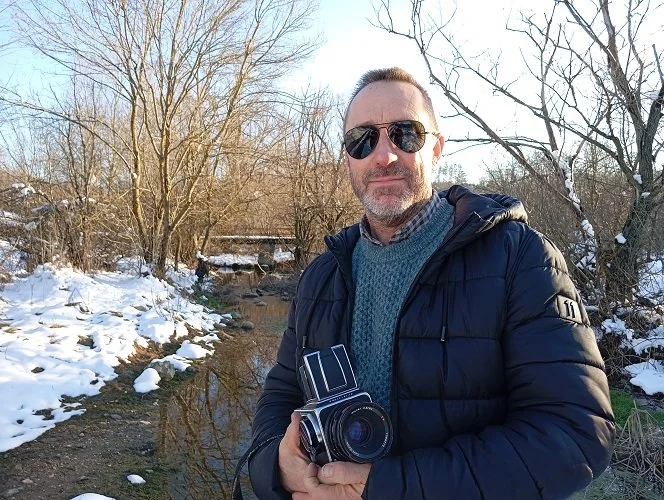
3 Professional photography is one of your many pursuits. Numerous celebrities have appeared in front of your lens, and you're also an architectural and fine art photographer. You've mentioned waiting for buildings you photographed to speak to you. Please provide a peek at your approach to these two aspects of your work as a photographer.
I need to make a point here. As both a highly analytical business consultant and an artist, I find it interesting how modern society immediately typecasts artists as non-analytical and lacking business acumen.
Our education system, developed in the late 1600s and gaining traction in the 1800s, was based on the Prussian model and has since been tweaked into what we now call common core, IB curriculum, and similar systems. All of these largely separate arts from sciences. The classical education model that preceded ours was far more balanced. It was designed to create well-rounded thinkers - philosophers, artists, mathematicians, and leaders - without separating the functions of our right and left brain hemispheres.
With that said, let me address your question about my photographic approach.
Celebrity Photography
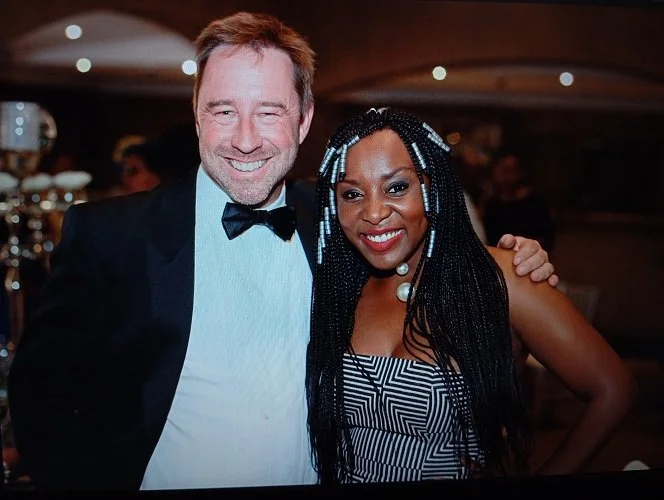
Michael and Wanda Baloyi
As a commercial photographer, my key objective was to produce images that enhanced the public face of the companies I photographed for. Each image was designed to portray the client in the best possible light, which required genuine engagement with the subject.
Celebrity photography is either relationship-based, speed-based, or a combination of both. One advantage of being a celebrity photographer in South Africa is the ability to build lasting relationships. The industry is small enough that celebrities and media can't continually offend each other without consequence. This contrasts sharply with paparazzi culture in Europe and parts of America, where opportunistic photographers often burn bridges and lose access.
In South Africa, the approach is about building long-term relationships and portraying celebrities in the best light while being sensitive to their needs. I remember shooting at a corporate function where a well known TV personality was a guest. This was shortly after a recent breakup, and I could see she wasn't in an emotional space to be photographed. I approached her and said, "It's okay, I'm not going to photograph you this evening. I can see you're not in a good space." She thanked me, relaxed, and enjoyed her evening. That sensitivity and empathy are essential to the work.
Architectural and Fine Art Photography
My approach here centers on patience. I have the advantage of controlling my time, using natural lateral light, and creating without pressure. The word "photography" comes from "photo" (light) and "graph" (to draw or paint). With architectural and fine art work, I had the time to truly paint with light.

Dubai
Architectural assignments required far fewer images than commercial work - perhaps two or three good exterior shots and a few interior images. It was a relaxed, breathing process.
I always found it important to understand the architect's intentions regarding how the building flows and functions. The architect's personality is often reflected in the building's structure and flow, though it's not always apparent. Sometimes I'd arrive at a site and not connect with the architect's vision or the building itself. In those cases, I'd contact the client, check the deadline, and if time allowed, I'd return later to capture the best images for their portfolio. I was privileged to work with interesting companies and photograph beautiful buildings, particularly in Johannesburg and Cape Town.
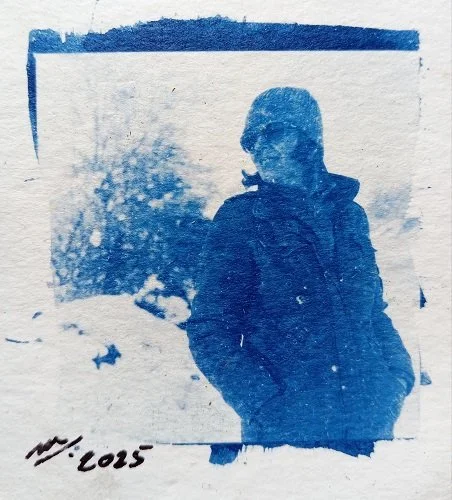
Danieta: cyanotype
For fine art photography, I've always loved printing - especially in the darkroom, where I learned photography initially. I still enjoy printing using historical processes like cyanotypes, which have found a market in our age of digital immediacy. There's real demand for fine art photography as a counterpoint to the quick, instant, Instagram-friendly imagery that dominates today. Fine art photography is now the only commercial side of my photography business, and it brings me considerable pleasure.
4 You and Danieta, your wife, have lived on different continents. Which challenges and joys are involved in this lifestyle?
One of the things we have realized more and more as we have traveled and lived in different places is that people are far more similar wherever you go than you would imagine. Yet the culture shock hits you harder every time you relocate than you would expect.
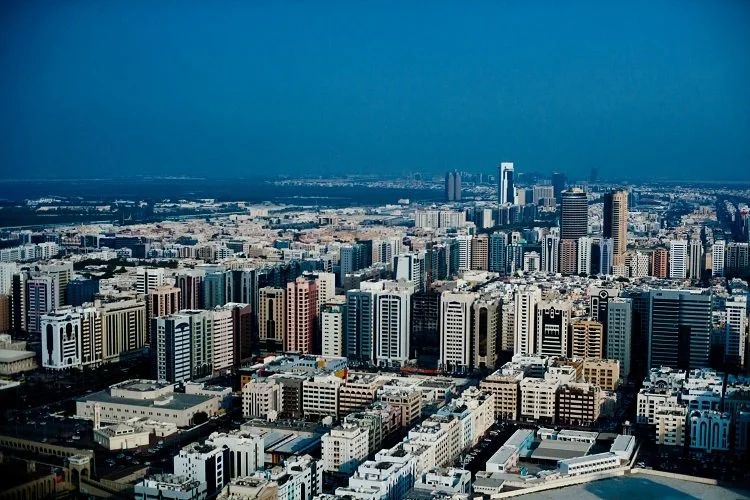
Abu Dhabi
In 2015, we sold a business and made our first major relocation to the United Arab Emirates. We lived in an inland city called Al Ain within the Abu Dhabi Emirate. One of the things we learned here was how peaceful the desert can be, though it's also remarkably harsh. But one of the greatest joys of our time in the UAE was discovering people. We found that even when people speak different languages -when vocal communication becomes difficult—there exists what Paulo Coelho calls "a universal language of the heart." We learned to connect with people from different cultures, different parts of the world, with different outlooks on life, different religions, and different philosophies. We discovered a common thread of humanity that runs through us all.
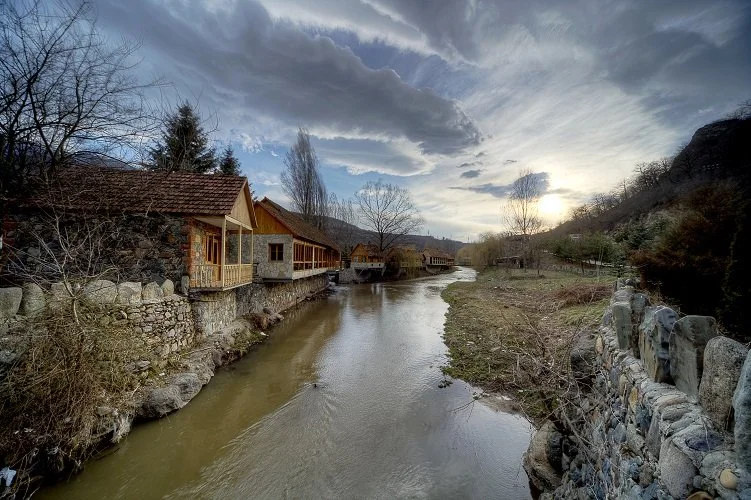
Armenia
As we began traveling to less visited places during our vacations, we learned this lesson repeatedly. We took our first visit to the little country of Armenia, which borders Turkey and is landlocked but near the Black Sea, bordering Georgia. There we discovered a beauty in the simplicity of life. Instead of following the usual tourist routes, we hired a car and went off-road. On that particular journey, we nearly got stuck traveling up a closed mountain pass that had been snowed in. We thought it would be a good idea to explore. Someone had rolled a massive boulder into the middle of the road - a challenge we had to navigate.
We discovered a couple of kilometers up the way that this was an unwise decision. Fortunately, we had a four-wheel drive to get us back on track, though we didn't have much space to maneuver. There were a couple of hair-raising moments where we both felt our lives flashing before our eyes - not quite as dramatic as that, but close.
I think it was on a visit to Nepal that I first commented to Danieta, as we traveled on an incredibly bad dirt road. (We may actually have been walking by that point, having given up on four wheels as a mode of transport because the roads were simply impossible.) But looking at the local population sitting on the lean-tos and verandas of very simple dwellings - which quite definitely did not have running water or flushing toilets - I looked at Danieta and said, "People live here. We can choose to live wherever we want if we're prepared to live there."
We have had rich experiences in living in different countries. We have gained experience and memories that few people get to experience because few people take the chance to make themselves vulnerable to a new culture and new people. Where we live now, we speak a very broken form of the local language. Our fellow villagers jokingly say we've started a new dialect. But we have also been able to connect using the language of the heart.
So, which challenges and joys are involved in this lifestyle? I'll say that the challenges can be as harsh or as easy as you allow them to be. The joys, however, are of immeasurable value.
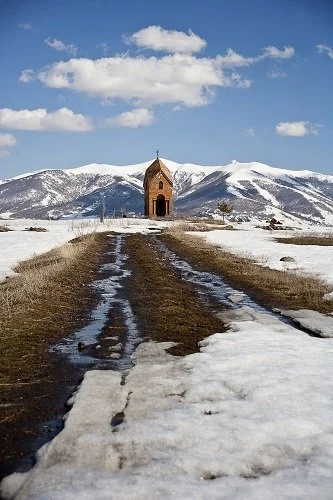
Armenia
I want to add a little anecdote here referring back to that trip to Armenia, probably in 2016. We had arrived near the end of winter - I would probably refer to the season as spring, but snow was still lying thick on the ground. One day we decided to visit a brandy distillery. Armenia is well known for its brandies, and we had never ventured into distilleries before. We headed off to a distillery near the little town of Ilyavan that we found on the map.
Upon entering, we found two Armenian ladies. We asked whether they could speak English, and one indicated that she could. She proceeded to deliver her well-rehearsed speech about what was available at the distillery. But it was after lunchtime, and we had not yet eaten. We felt it rather unwise to savour alcoholic beverages without having suitably lined stomachs. So we asked where we could get food. This was clearly off-script - there was no rehearsed answer for this question.
We did our best to communicate. Pointing at our tummies, rubbing them, looking as hungry as possible, we pointed at our mouths and made eating motions. They understood and shrugged their shoulders, then indicated there might be a restaurant down the road. Sticking to our resolve to eat first, sip later, we set off.
Not far down the road on the left-hand side, we saw smoke coming from a chimney and what looked like guest accommodation. We drove into the car park and saw someone walking with a tray of food up the hill into the building - a good sign. We started walking toward the building, but everything appeared closed except for a gentleman grilling outside, producing the smoke.
We were greeted by a rather portly Armenian woman who chatted away in the local language. She realized immediately that she had two tourists when we looked at her nonplussed and said, "We're hungry." Using the universal language of food - pointing at our tummies, then our mouths - she understood. She took us into the building, through what appeared to be the service entrance into the back of the kitchen, and then into a large, deserted dining area.
The restaurant was not open. It was more of a dining hall, very rudimentary, but we were seated. I asked whether we could see a menu. I can't remember if she indicated the menu wasn't in English or if they didn't have one - probably both. But we knew enough to order beer, requesting the correct local beer by name. Our hostess smiled broadly – we had scored points… Danieta then went to use the facilities while I waited.
She hadn't been gone 30 seconds when the rotund lady came, grabbed me by the hand, and dragged me into the kitchen. She had laid out what seemed to be all the fresh ingredients they had on hand - mainly vegetables. There were fresh vegetables, pickled vegetables, salad ingredients, hams, various cheeses, all neatly arranged. She indicated I should choose what we wanted to eat. I pointed at a couple of random items.
She seemed delighted. As I was about to leave the kitchen, she indicated no - I had to wait. She pointed to a shopping bag with some rather large trout that had been caught earlier in the stream near the establishment. Questioning whether I wanted some trout, I gave her a thumbs up and disappeared back to the dining room where Danieta was waiting. We proceeded to drink our beer.
What happened next will be a fond memory for the rest of our lives. The rotund lady brought out a set of plates and a bowl of deconstructed salad - probably tomatoes, cucumber, and lettuce - which we tucked into. We thought, "Well, this must be it." We were left alone for a good 15 minutes eating that salad. When our eating pace slowed sufficiently, the next dish arrived with fresh plates, fresh cutlery, and probably fresh beer.
We were given the next round of food, different fresh ingredients with probably a starch involved somewhere. By round number three, we realized we might have a problem. There was no way we could maintain the pace of eating we had set. But we continued dutifully until the trout was brought out. It really looked like a trout that could feed the 5,000, but there were only two of us. Needless to say, we ate exceptionally well - simple, good, healthy, fresh food.
When we felt as if we would pop and simply could not fit any more food in our mouths, I indicated we would like to pay. I asked for the bill by holding my two hands together as if holding a bill. She looked confused. So I mimed writing on a piece of paper - the other universal restaurant term for "check, please." She realized we wanted to give her money and shrugged, lifting her hands up as if to say, "I don't know how much."
What happened next was something one would expect to read about in books or see in movies. I held my wallet out and showed her what notes I had. She selected the one she felt was appropriate - I thought it was way too little, but she refused to take any more. The deal was settled.
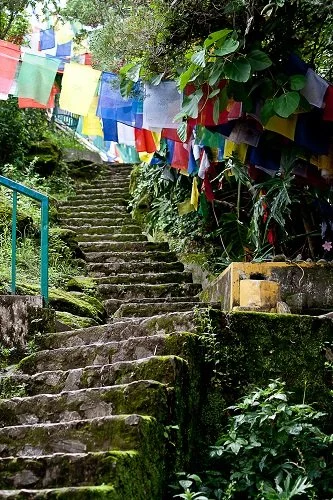
Nepal
This little story is one of many. We could tell similar stories from Nepal, from other experiences in Armenia, from Zanzibar and from Turkey. Wherever we've traveled, we have had the joy of engaging with people on their terms.
If we were to give one word of advice for anyone who wishes to travel: go and really be there. Be present. Be part of the local culture. Engage with the locals. Get off the tour bus - in fact, don't go on a tour bus at all. Forget the places that everyone tells you that you must go and see. Instead, go and see what it's like to live there. Because people live there.
5 You and Danieta are partners in more than one sense of the word. Can you say more?
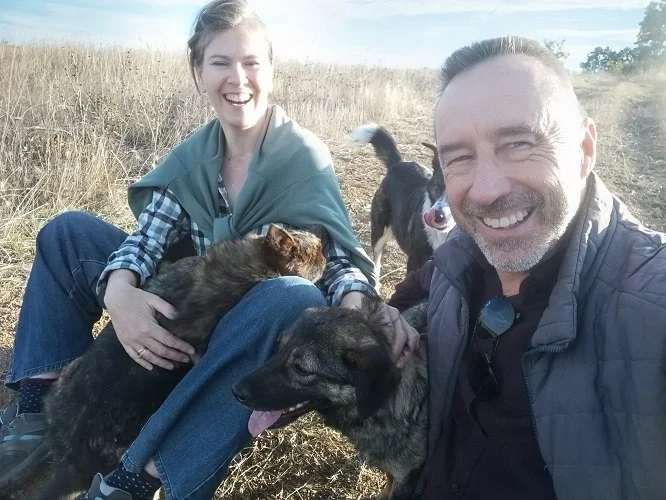
We're privileged to work together, live together, and spend nearly every waking moment in each other's company. Over the years, our careers have occasionally taken different directions, but we've consistently worked together in some capacity. Even when Danieta wasn't formally part of the business, we collaborated on photography projects during weekends and after hours. Now, on with the consultancy, we are together pretty much 24/7.
We're also true partners on our property. Danieta is completely comfortable with an angle grinder, a drilling machine, a saw, and a hammer—she's particularly impressive with both a hammer and an axe. In fact, I'd say that anyone who's seen Danieta with an axe should know that our property is not easily visited by uninvited strangers!
We get to do everything together, and it's an absolute privilege.
6 You value mentoring young people. How do you go about this?
One of the most gratifying things I do is work with young people at the start of their careers. Often, they feel simultaneously that the world is open to them and closed to them. They may lack optimal socio-economic circumstances, feel they lack necessary skills, or be uncertain about their identity and direction. Many barriers can be built up by their perception of the world.
The beauty of young people is that these barriers aren't yet ingrained. They can overcome insecurities fairly quickly if they commit to working through them. I was fortunate to have people who recognized my potential early on in life and gave me space and opportunities to grow. Danieta and I genuinely love helping young people develop.
What makes this work effective is that Danieta and I bring different approaches to mentoring, and both work well. We alternate between them based on what the person needs.
The process involves sitting with them, understanding what they want from their lives, helping them build a vision, identifying their existing strengths, and determining what skills they need to develop. We help them create a path forward. Then we get to see them fly - watching them gain confidence and become everything they can be is incredibly rewarding.
This isn't the primary focus of our business, but when we work with young people within one of the teams we consult with, it's deeply gratifying.
7 You enjoy craftsmanship, including woodwork. Could you elaborate?
Some of my oldest memories are of working in my father's workshop. He was an artisan by trade - he started as an apprentice with the South African Railways and eventually moved into white-collar work, finishing his career as a senior executive in a multinational. Throughout his life, he always maintained his love for the workshop.
I remember being given a hammer and a piece of wood as a toddler and simply smacking the wood with the hammer. As I grew, he gave me nails to hammer, then screwdrivers to use, and gradually I began putting pieces together. Eventually, I started building things.
I've always had a deep love for wood, and that hasn't changed. Early in my career, I managed a sawmill in the Southern Cape, where I developed an appreciation for South Africa's diverse indigenous timbers. They're relatively well-managed and possess remarkable beauty. There's something profound about taking a tree trunk, milling it carefully, allowing it to dry without warping, and then transforming it into something beautiful - a piece of furniture, a knife handle, a pool cue that I made years ago.
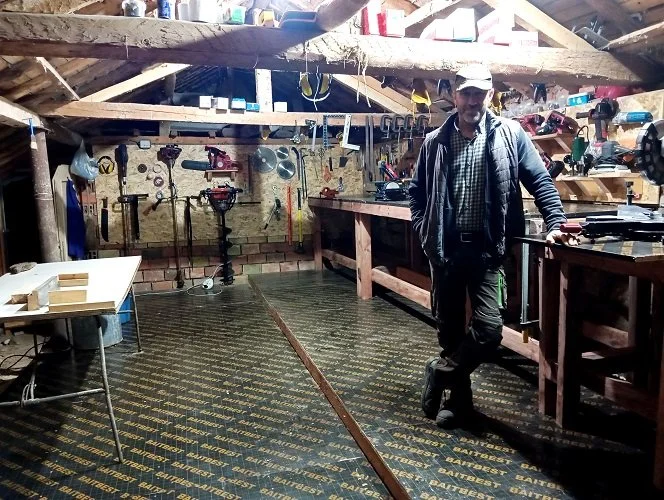
Woodworking is a very mindful activity for me. I'm fortunate that we've built a substantial workshop on our property, where I spend hours. We've used our skills to renovate our home. In fact, our cabin - the house we live in now - we built entirely from scratch using timber we carried down to the property piece by piece. Since we're very remote, we had to drag each piece down the hillside by hand.
For the first six months, I worked alone on the initial structure before Danieta joined me. Once she arrived, we built the second section together. Being able to take something from rough form to finished form and then step back and say, "That's beautiful" - that's a genuine joy.
We live in a world where many careers involve moving numbers around on computer screens and creating artificial things. There's absolutely space for that work. But to create something physical, tangible, and beautiful—something you can hold, something with permanence that will outlast you - that's a real privilege.
8 I've heard you mention puppies and chickens. I'm curious.
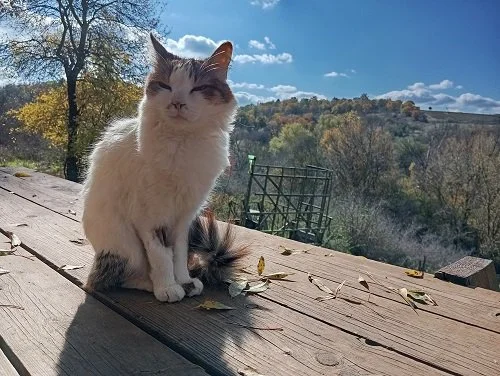
Siya the cat
When Danieta and I married, we decided to ease into parenthood carefully. We said we'd get a cat first because cats are low-maintenance. If we could handle the responsibility of a cat - which will feed itself if you neglect it long enough - then we'd consider a dog. And only after successfully managing dogs would we think about children.
By 2015, after nine years of marriage, we had no dogs. By 2020, we still hadn't progressed beyond cats. We'd had a few, but that was it.
Then, when I started working on our house, a stray dog befriended me. She lived at a neighboring property whose owner had passed away. She'd greet me daily, and various villagers - myself included - would feed her.
Fast forward to July 2023. Her daughter from a previous litter - one of the few survivors (the original dog was not a good mother, and we have many predators in our area) - brought her own litter down to our property. Quite the bright spark, she arrived with five little puppies. It felt like a present we didn't expect. Danieta and I may even be writing a book about this story someday.
We found homes for two of the puppies. We kept three, and one decided to move in with friends of ours who have a dog she developed a crush on. It's a pedigreed thing - grey, like a Persian rug on feet. You can tell we're not really dog people!
We now have two puppies: Miriam and Demi. Miriam is beautiful, and Demi is interesting. We love them both very much.
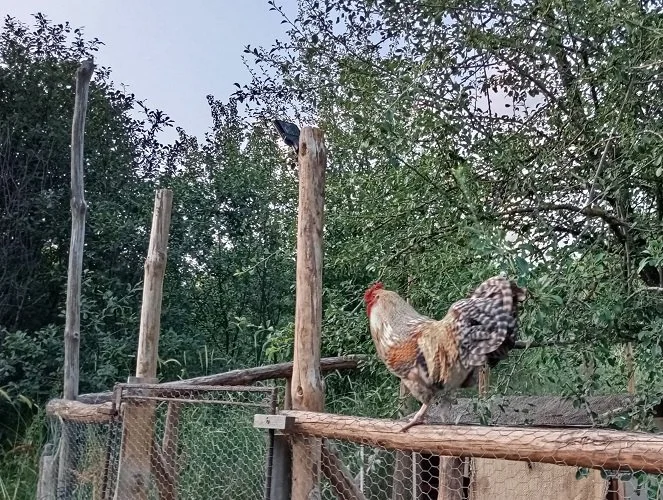
Jabu the rooster
We also have chickens, which we added for a steady supply of fresh eggs. Every now and then, when egg production drops, I'll tell the hens, "Girls, remember - we're going to get our protein somewhere. It's either meat or eggs. You guys decide." Miraculously, they increase production.
We live on a homestead in the wild, surrounded by wolves, jackals, wild boar, and numerous birds of prey including buzzards and eagles. When you live this way, you really do need chickens, puppies, and cats.
More about Michael
Michael Glenister is a serial entrepreneur, business consultant, podcaster and author with over 30 years of experience building and transforming businesses across diverse industries—from construction supply and distribution, to business intelligence to professional photography and fine arts. As co-founder of J2H (The Journey to Here) - a professional management consultancy based in South Africa and run with his wife and business partner Danieta - Michael partners with entrepreneurs and business leaders to unlock sustainable growth through strategic insight, operational optimization, and human-centered leadership. A former professional photographer whose work appeared in publications like Rolling Stone, Forbes Africa, and People Magazine, Michael brings a creative, philosophical perspective to business and personal development.
Michael is the author of Take Back Time: A guide to rethinking your relationship with time. More information here.
Die Afrikaanse weergawe van die boek, In Beheer: ‘n Uitdaging om anders oor jou verhouding met TYD te dink is op Takealot beskikbaar en die (Kindle-uitgawe) is hier te koop.
Website: https://thejourneytohere.co.za/
LinkedIn: Michael Glenister
Listen to Danieta’s and Michael’s podcast The Journey to Here: https://thejourneytohere.co.za/ - just scroll down on that page.
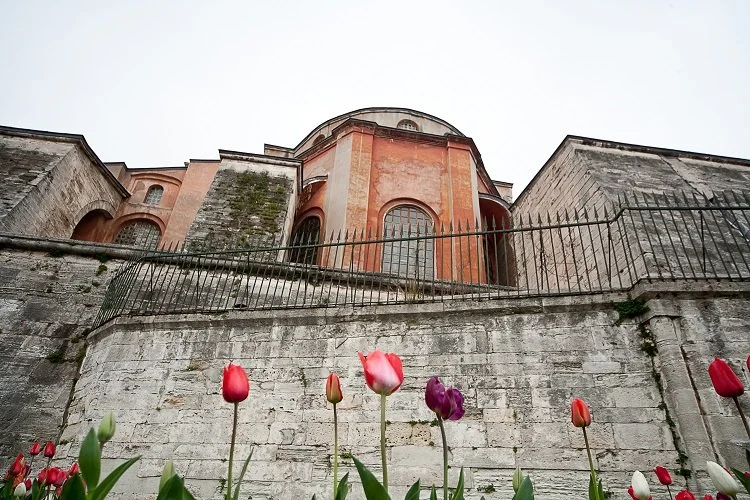
Haga Sofia in Istanbul
All photographs: supplied
Thumbnail image: Nepal, by Michael Glenister.